

In This Edition:
This week, we look beyond the brine fields to see how Arkansas communities are positioning themselves for the lithium economy — and break down the latest on a key federal permitting bill that could shape how the industry scales.
Video interview: Arkadelphia Alliance CEO Shelley Short outline a “lithium-adjacent” strategy focused on workforce, infrastructure and regional collaboration.
Policy explainer: Rep. Bruce Westerman’s SPEED Act, what it does and where it stands in Congress — with implications for Arkansas lithium projects.
What we’re reading: A roundup of lithium and battery supply chain headlines from Arkansas and beyond.
Let’s dive in!
Video: Arkadelphia Eyes ‘Lithium-Adjacent’ Role as Industry Scales
As South Arkansas’ lithium industry takes shape, communities outside the extraction footprint are positioning themselves to play a supporting role.
In a Lithium Link interview, Shelley Short, president and CEO of the Arkadelphia Alliance and Area Chamber of Commerce, explains how Arkadelphia and Clark County are preparing to plug into the lithium economy without hosting mining operations themselves.
During the interview, recorded at the Arkansas Lithium Innovation Summit, Short shared three ways Clark County leaders are thinking about the growing industry:
A regional approach. Short said Arkadelphia wants to support neighboring counties at the center of lithium extraction while attracting “lithium-adjacent” businesses — suppliers, processors and manufacturers that feed into the industry or use lithium-derived products.
Workforce as a strategic lever. Short said she is working to ensure that Arkadelphia’s colleges — Ouachita Baptist University and Henderson State University — are fully engaged and that students are exposed early to lithium-related career pathways.
Shovel-ready industrial property. Clark County has a 991-acre, county-owned industrial site that sits less than a mile from Interstate 30 and is largely infrastructure-ready. It could be well-suited for battery or lithium-component manufacturing.
Watch
Watch the full conversation above to learn how Clark County plans to turn proximity into opportunity.
Westerman’s SPEED Act Aims to Fast-Track U.S. Permitting — and Boost Arkansas Lithium
A bill co-authored and championed by Rep. Bruce Westerman (R-Ark.) aims to quicken the pace of permitting under the National Environmental Policy Act (NEPA), which could help build out the supply chain for domestic lithium extraction and battery manufacturing, and other industries.
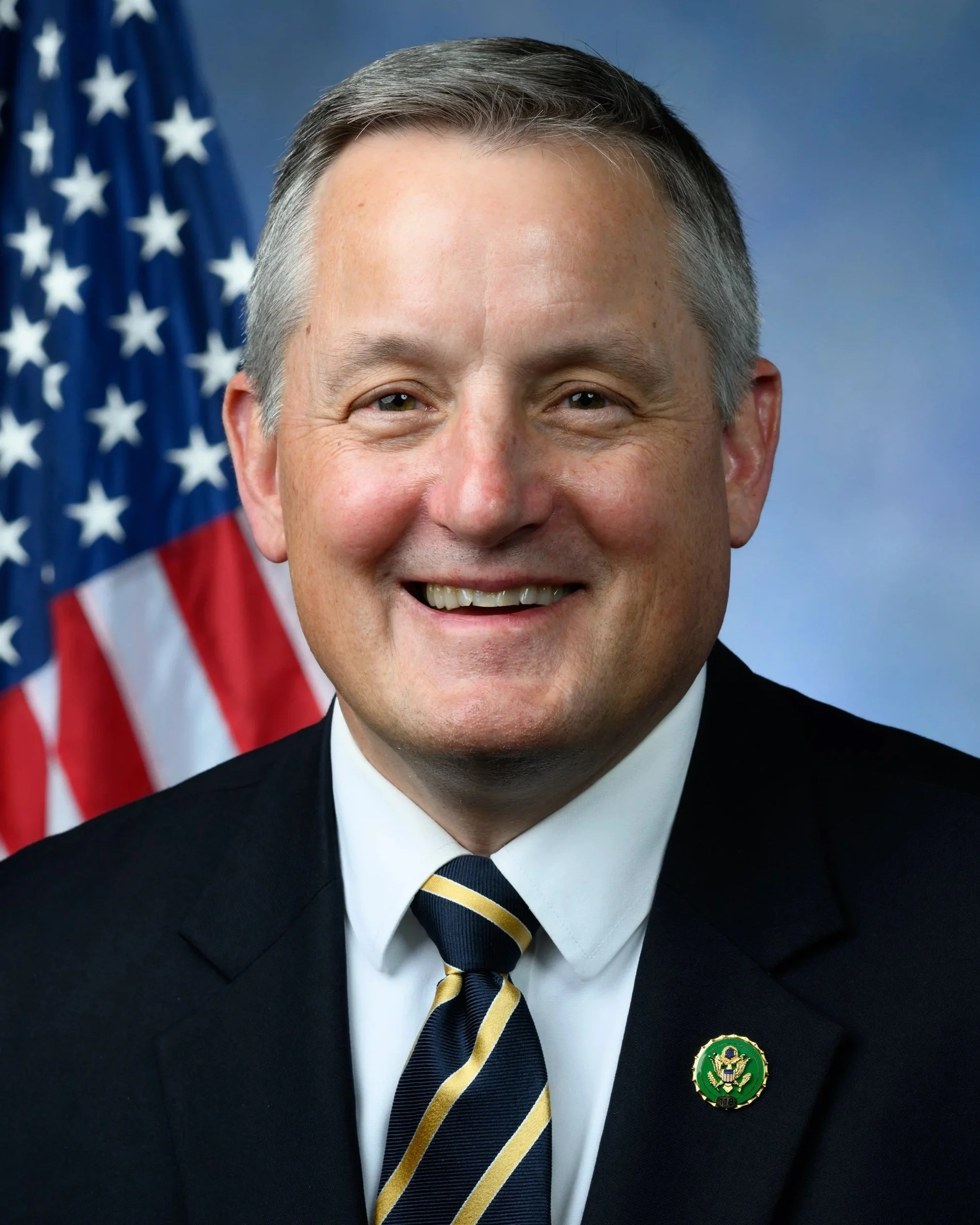
Rep. Bruce Westerman (R-Ark.)
In November, the U.S. House Natural Resources Committee advanced the Standardizing Permitting and Expediting Economic Development (SPEED) Act. The congressman:
Argues the bill will cut years of delay from environmental reviews required under NEPA, a shift he says is essential for major energy and mineral projects nationwide, including Arkansas’ emerging lithium extraction industry.
Promoted the bill at the October Arkansas Lithium Innovation Summit as a catalyst for accelerating infrastructure needed to process Smackover lithium.
What the Bill Does
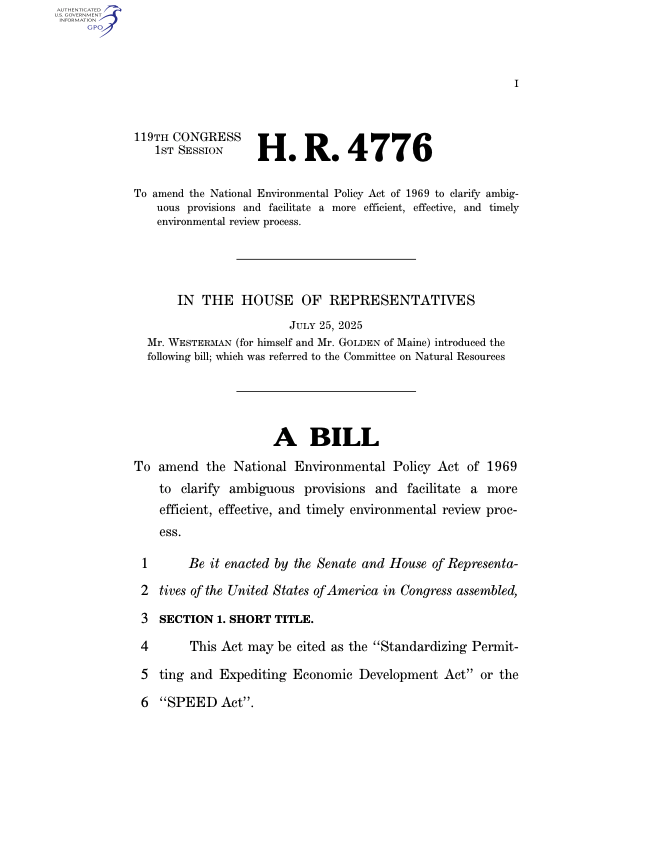
An explainer published by the Bipartisan Policy Center says that, if approved by Congress and signed into law, the SPEED Act would:
Codify the U.S. Supreme Court’s Seven County Infrastructure Coalition ruling limiting agencies to evaluating environmental impacts with a “reasonably close causal relationship” to a project, reducing expansive and speculative analyses.
Impose strict review timelines — one year for environmental assessments, two years for environmental impact statements — with limited opportunities for extension.
Bar agencies from revisiting or rescinding completed environmental reviews unless ordered by a court.
Shorten the statute of limitations for NEPA lawsuits to 150 days and limit challenges to parties who submitted substantive public comments.
In Arkansas
Westerman, who has made permitting reform a cornerstone of his chairmanship, says that streamlined permitting is vital for Arkansas’ lithium economy, particularly for infrastructure tied to power supply, processing plants and transmission lines — all of which fall under federal review.
In Congress
The House approved the SPEED Act on Dec. 18 by a 221-196 vote. The bill now awaits action in the Senate, where progress there is less certain.
The Arkansas Democrat-Gazette reports that bipartisan Senate talks on a separate permitting package stalled late last year following the Trump administration’s decision to halt several offshore wind projects, prompting top Senate Democrats to pause negotiations.
Westerman has urged the Senate to move forward, saying Congress must “solve the permitting problem once and for all,” according to the Democrat-Gazette.
The Bottom Line
With Arkansas positioned to become a major domestic supplier of lithium from the Smackover Formation, SPEED could accelerate timelines for billion-dollar projects. Industry leaders say NEPA delays are among the largest risks to U.S. competitiveness as China continues to dominate global supply chains.
More: Read the complete SPEED Act, an explanation of the bill by the Bipartisan Policy Center and coverage of the bill in the Arkansas Democrat-Gazette here and here and the Engineering News-Record.
What We’re Reading
Here’s a quick sample of other lithium-related news we’re reading and watching:
Menen Group of Springdale, a member of the second Arkansas Lithium Technology Accelerator, has launched EEARTH, a subsidiary focused on lithium extraction using its proprietary technology. | Read the article
Germany confirms what it says is one of the world’s largest lithium deposits, under the Saxony-Anhalt natural gas field. | Read the article
Arkansas Democrat-Gazette Senior Editor Rex Nelson, in his annual wish list columns, writes that he would like to see Arkansas leaders “continue planning for the changes the lithium boom will bring to southwest Arkansas.” | Read the article
The Associated Press reports that companies are restarting efforts to mine domestic graphite, a key material for lithium-ion batteries. | Read the article
Talk Business & Politics coverage of the second ALTA cohort’s demo day in Bentonville. | Read the article
