

Interview: Oil & Gas Know-How Gives Arkansas a Lithium Safety Edge
One challenge to Arkansas’ burgeoning lithium extraction industry isn’t chemical — it’s cultural.
During a panel at the 2025 Arkansas Lithium Innovation Summit, principal exposure scientist at CTEH of North Little Rock Scott Skelton, Ph.D., said Arkansas can safely develop lithium because it already knows how to manage hazardous fluids. But success depends on disciplined communication, rigorous safety culture and regulatory adaptability.
The real challenge, he said, is not chemical instability — it is public understanding and maintaining trust as the industry scales.
In an interview this week with Lithium Link, Skelton, a born-and-raised Arkansan and certified industrial hygienist, said the words “lithium” and “mining” carry baggage. Battery fire headlines and images of massive open pits shape public imagination, even though Arkansas’ brine-based DLE process looks nothing like hard rock mining or South American evaporation ponds.
Those misunderstandings can erode trust, slow permitting and increase operational risk before projects even break ground.
Watch Our Interview with Skelton
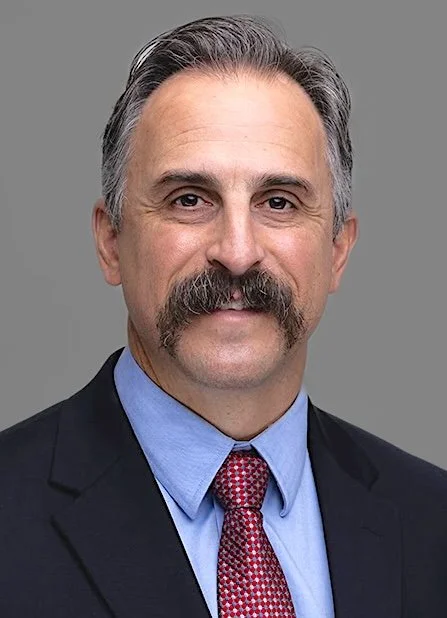
Scott Skelton, Ph.D., of CTEH of North Little Rock
DLE, Safety and the Environment
In a wide-ranging interview, Skelton discussed the science of safety the world of DLE:
DLE ≠ battery fires: Lithium extraction in Arkansas involves pumping brine from deep underground and processing it in contained systems — not manufacturing batteries or storing reactive cells.
Smaller footprint: Unlike hard rock mining or 30,000-acre evaporation ponds, DLE facilities operate in compact, industrial settings with limited surface disruption.
Familiar industrial risks: From a toxicology and industrial hygiene standpoint, brine-based lithium extraction resembles oil and gas operations — using known containment systems, OSHA hazard communication standards and process safety management protocols.
Reactive but stable: Lithium is reactive, but stable when properly managed — a distinction often lost in public conversation.
Skelton, whose work focuses on special industrial hygiene projects with emphasis in worker exposure and exposure control, emphasized that Arkansas operators are benefiting from decades of oil and gas safety advancements. He said if Arkansas wants to lead in domestic lithium production, companies must pair technical safety with transparent communication and regulatory rigor.
Coming Next
In the next edition of Lithium Link, more from our interview, in which Skelton outlines how lithium companies should engage communities — and the specific safety questions local leaders should be asking.
